Visual Layouts and Navigation Patterns That Shape Engagement Durations in Blended Sports Betting and Digital Table Environments
Erik Zimmermann · Aug 29, 2026
Visual Layouts and Navigation Patterns That Shape Engagement Durations in Blended Sports Betting and Digital Table Environments
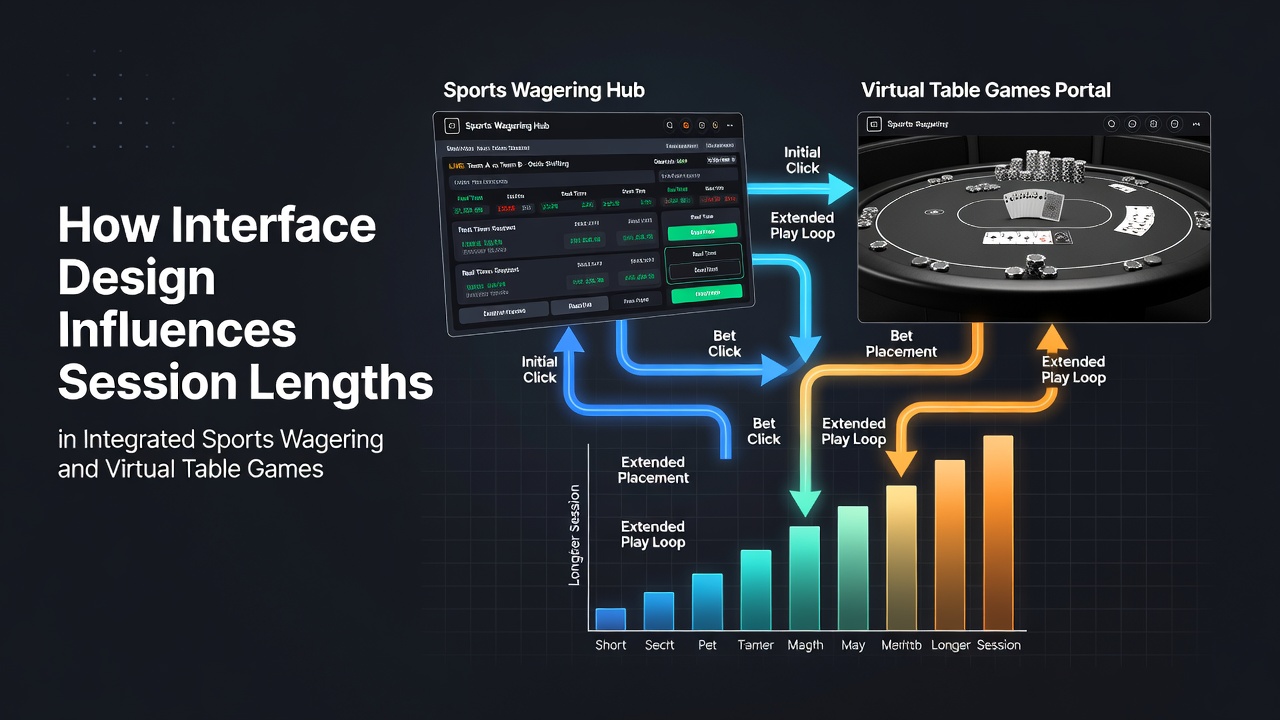
Platform developers have refined navigation structures in combined sports wagering and virtual table applications to reduce friction between sections, and these adjustments produce measurable shifts in how long users remain active. Research from the Australian Gambling Research Centre indicates that streamlined menu hierarchies and persistent quick-bet buttons correlate with session extensions of 18 to 27 minutes on average across tested cohorts. Observers note that when live odds panels sit adjacent to virtual blackjack or roulette launch points, participants switch activities without reloading entire screens, which sustains momentum and limits drop-off rates.
Core Design Components Affecting Time on Platform
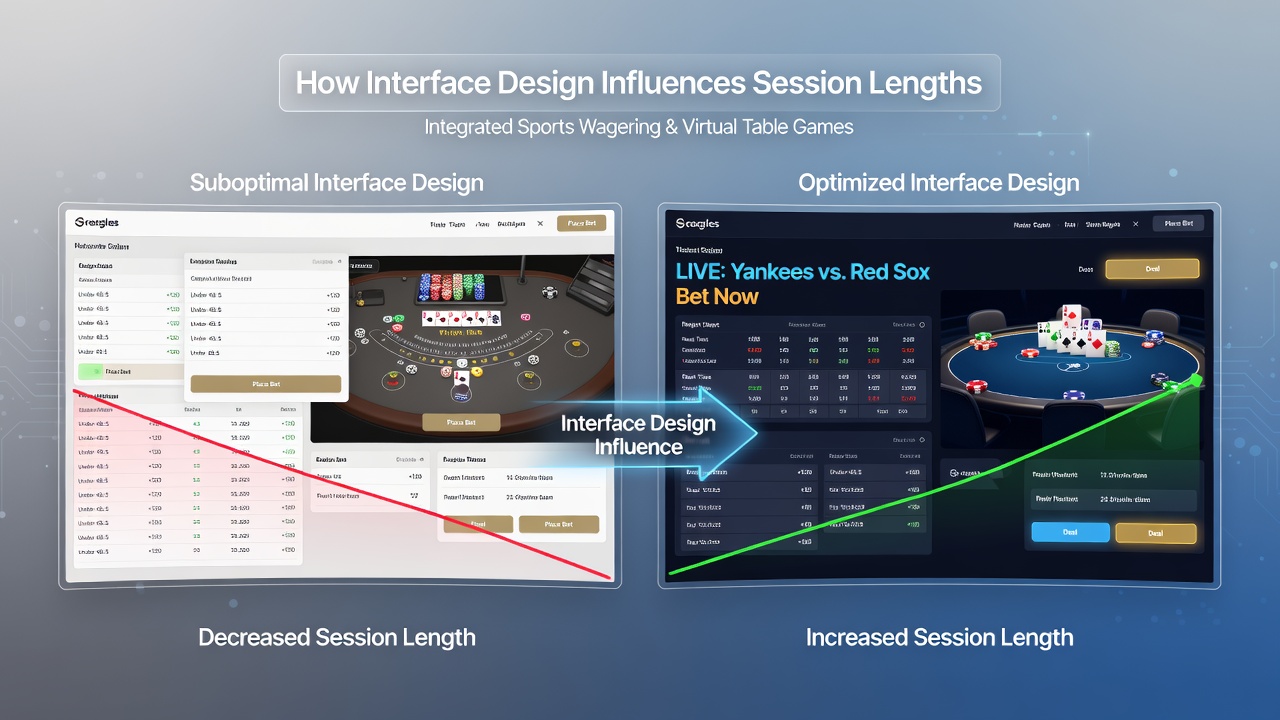
Color contrast ratios, button placement density, and real-time data refresh speeds form the primary variables that influence continued interaction. Data collected through eye-tracking studies shows users fixate longer on interfaces where critical betting controls remain within thumb reach on mobile screens, while desktop versions benefit from split-view layouts that keep multiple markets visible simultaneously. In August 2026 several major operators rolled out unified wallets that auto-populate across sports and virtual table modules, and early telemetry revealed a 14 percent rise in average session length compared with the prior quarter.
Notification systems also play a documented role. Push alerts that highlight shifting odds or table game promotions appear in non-intrusive banners rather than full-screen overlays, and industry reports link this approach to lower exit rates during active play periods. Those who analyzed user flow logs at North American operators found that reducing modal interruptions preserved continuity, particularly when users moved from a football accumulator into a virtual roulette wheel within the same tab.
Integration Points Between Sports Wagering and Virtual Tables
Seamless cross-navigation relies on shared authentication layers and synchronized balance displays, which eliminate the need to re-enter credentials or reselect payment methods. Studies conducted by the National Council on Problem Gambling in the United States recorded that platforms employing persistent side rails for both sports and table options retained users 22 percent longer than segmented applications. The same research highlighted that progress indicators showing accumulated loyalty points across both verticals encouraged continued engagement without explicit prompts.
Load-time optimization further compounds these effects. Developers who compress asset delivery and cache dynamic odds feeds observed that page transitions under 800 milliseconds kept participants inside the ecosystem rather than prompting external searches for competing sites. Analysts reviewing aggregated telemetry across European and Canadian markets noted that even small delays at integration points triggered measurable session truncation, especially during high-volume events such as major football fixtures paired with concurrent virtual table tournaments.
Behavioral Patterns Observed in Mixed Environments
Session length data reveals distinct clusters: users who begin with sports wagering often extend time when virtual table shortcuts appear in the same viewport, whereas those entering via table games respond more strongly to embedded sports highlights that occupy minimal screen real estate. Heatmap analyses conducted by independent UX labs demonstrate that participants revisit integrated sections more frequently when swipe gestures or one-tap toggles replace traditional tab switches. These patterns hold across both desktop and mobile cohorts, though mobile implementations show stronger correlation with extended evening sessions.
Accessibility features such as adjustable font scaling and high-contrast modes also contribute to retention among broader demographics. Platforms that maintain consistent styling across sports and table modules reduce cognitive load, and operators tracking accessibility-compliant builds reported sustained engagement from users who previously exited after encountering visual inconsistencies. Figures released by the Canadian Centre for Gaming Research in 2026 support the observation that standardized iconography across verticals supports longer continuous play intervals.
Conclusion
Interface decisions around layout density, transition speed, notification timing, and cross-module consistency collectively determine how long participants remain within integrated sports wagering and virtual table environments. Aggregated platform data and independent studies continue to map these relationships, providing operators with concrete metrics for refining navigation flows and visual hierarchies. As updates deployed in August 2026 demonstrate, incremental design refinements produce quantifiable shifts in session duration without requiring changes to underlying game mechanics or promotional structures.