Forecasting the Odds: Algorithmic Models Behind Betting Line Shifts in Player Props and Jockey Handicaps
Wendy Jung · Aug 22, 2026
Forecasting the Odds: Algorithmic Models Behind Betting Line Shifts in Player Props and Jockey Handicaps
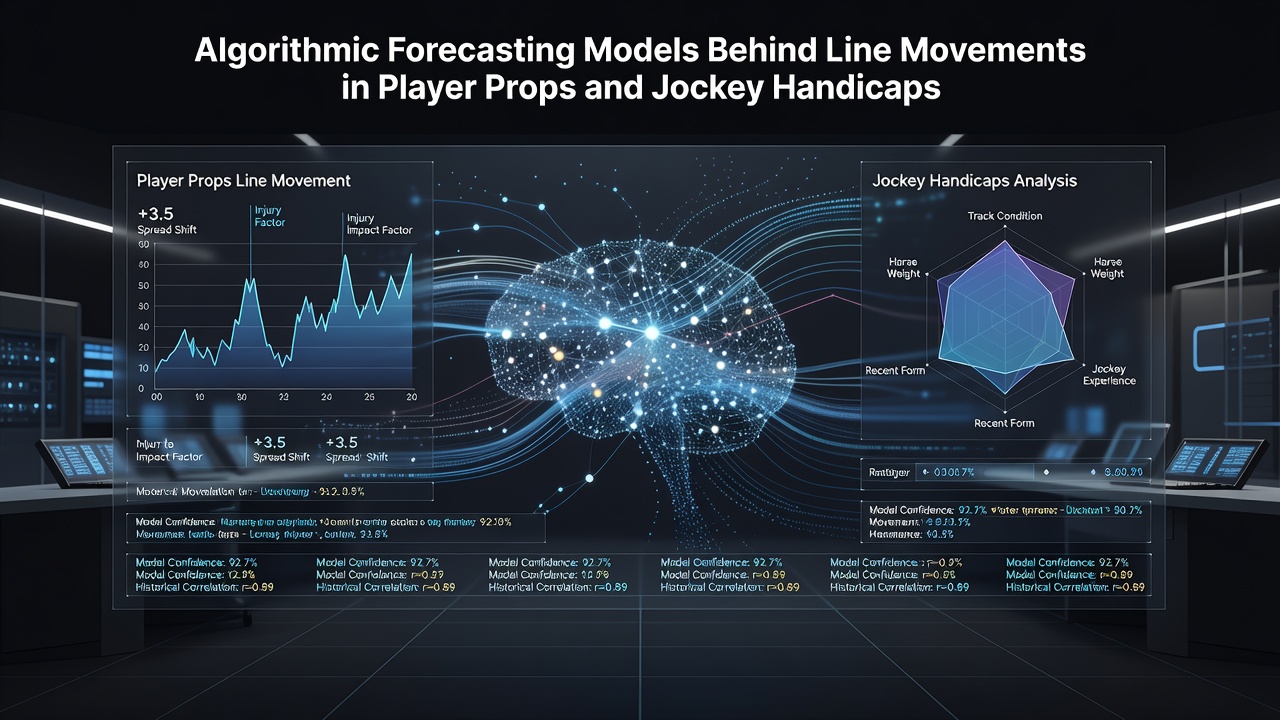
Algorithmic forecasting models process vast datasets to adjust lines in player prop markets and jockey handicap races, and these systems draw from historical performance records, real-time tracking metrics, and external variables such as weather conditions or track surfaces. Operators deploy machine learning frameworks that update probabilities continuously, which means line movements often reflect aggregated predictions rather than isolated wagers.
Data Inputs That Drive Model Accuracy
Player prop models incorporate individual athlete statistics across thousands of games, including shooting percentages, defensive matchups, and usage rates, while jockey handicap algorithms factor in win percentages at specific distances, horse pairings, and seasonal trends. Researchers at institutions like the University of Nevada have documented how these inputs combine with injury reports and travel schedules to refine expected values before markets open. Public betting volume and sharp action from professional syndicates further calibrate the outputs, yet the core engine remains statistical correlation rather than sentiment.
Mechanics of Line Movement in Prop Markets
When a model detects a discrepancy between its calculated probability and the posted line, it triggers adjustments that ripple through sportsbooks within minutes. For instance, an NBA player prop on points scored might shift half a point after the algorithm ingests updated minutes-per-game data from the previous evening's contest. Observers note that these shifts occur independently of bet volume at times, because the underlying forecast incorporates new variables such as opponent defensive efficiency ratings pulled from league databases. In soccer, player assist props follow similar patterns, where passing accuracy metrics and set-piece involvement percentages update overnight and prompt revisions before kickoff.
Bookmakers integrate these models with risk management layers that limit exposure on high-volatility props, which explains why certain lines stabilize quickly while others continue drifting until game time. Data from state gaming reports in Nevada shows that automated systems account for the majority of mid-market corrections in basketball and football props during the 2025-2026 season.
Application to Jockey Handicaps and Racing Markets
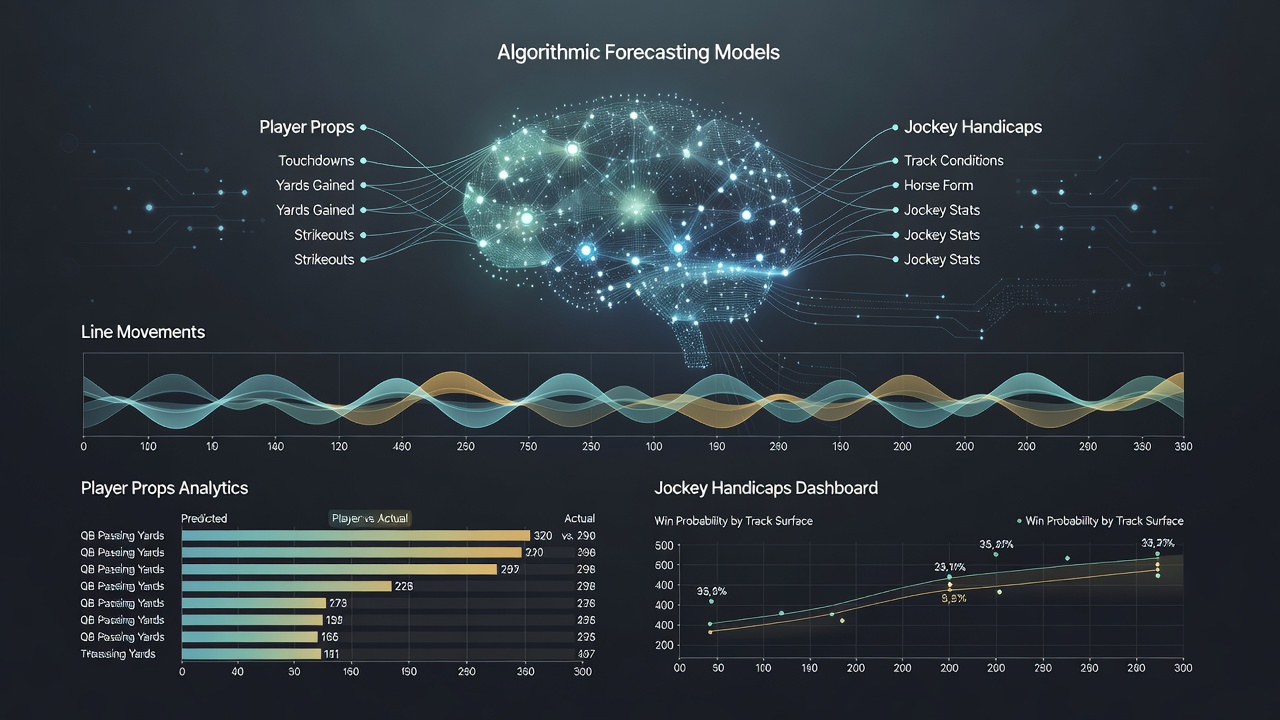
Jockey handicap lines rely on algorithms that weigh career statistics at particular courses against current form indicators such as recent placements and horse class transitions. These models ingest GPS tracking data from past races to quantify pace preferences and finishing strength, then compare them against the assigned weights for upcoming events. As of August 2026, several major racing jurisdictions have expanded data partnerships that feed live biometric readings from horses into the same pipelines, allowing handicaps to adjust in response to training gallop reports released hours before declarations close.
Line movements in these markets frequently precede significant public money because syndicates using similar proprietary models identify mispriced runners early. One documented case involved an Australian racing circuit where an algorithm flagged a jockey's improved strike rate on wet tracks after heavy rainfall data entered the system, prompting a rapid shift in the handicap odds before the majority of bettors reacted.
Integration of External Variables and Real-Time Feeds
Both player prop and jockey handicap models pull from satellite weather services, venue attendance figures, and even social media sentiment analysis to fine-tune outputs. When wind speeds exceed historical thresholds at a football stadium, quarterback prop lines often move within the same hour because passing efficiency metrics degrade predictably under those conditions. Racing models apply analogous logic to ground conditions, where algorithms recalculate expected margins based on rainfall totals recorded at trackside sensors.
Industry organizations such as the Australian Gambling Research Centre have published findings on how these layered inputs improve forecast precision across multiple betting verticals. The same reports highlight that models trained on five or more years of granular data achieve lower error rates than those relying solely on seasonal aggregates.
Conclusion
Algorithmic systems continue to shape line movements in player props and jockey handicaps through continuous ingestion of performance metrics, environmental data, and risk parameters. Regulatory bodies in multiple regions, including the Nevada Gaming Control Board, track these developments as operators refine their frameworks ahead of expanding sports calendars. The result remains a marketplace where statistical outputs dictate adjustments more frequently than manual intervention alone.