Atmospheric Conditions and Betting Line Dynamics in Turf Events and Field Sports
Casey Krüger · Aug 15, 2026
Atmospheric Conditions and Betting Line Dynamics in Turf Events and Field Sports
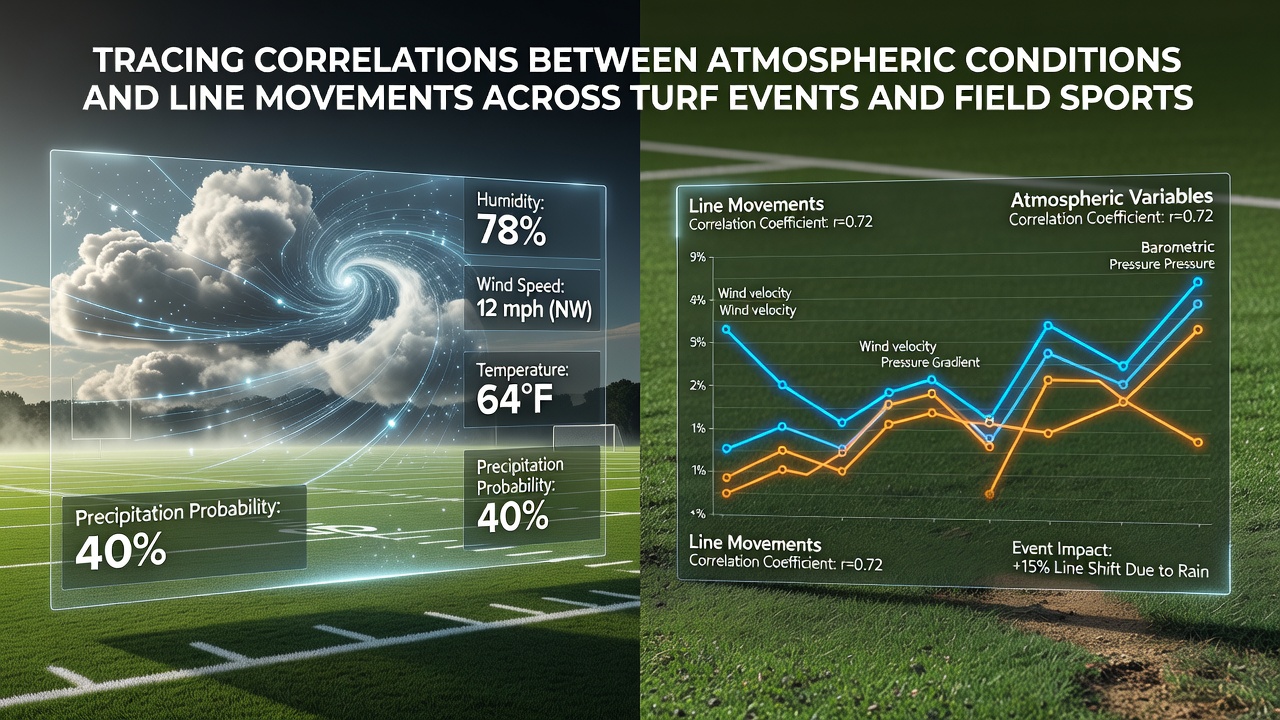
Atmospheric conditions such as temperature shifts, precipitation levels, wind speeds, and humidity create measurable effects on turf surfaces and playing fields, and these changes often align with adjustments in betting lines across horse racing and team sports, according to datasets compiled by meteorological agencies and sports analytics firms. Observers note that turf events respond quickly to rainfall because grass moisture alters traction and times, while field sports like soccer and rugby see ball behavior and player movement adapt to similar variables.
Key Atmospheric Factors in Turf Racing
Turf racing depends on ground conditions that evolve with weather patterns, and researchers tracking historical race data have documented how sudden rain increases going descriptions from firm to soft within hours, prompting oddsmakers to revise win probabilities for speed-oriented horses. Wind direction adds another layer because crosswinds can affect stride lengths on straightaways, and studies from the Australian Bureau of Meteorology indicate that gusts above 25 kilometers per hour correlate with slower average finishing times in open tracks. Humidity levels influence evaporation rates on the surface, which in turn changes how quickly a track dries after showers, creating windows where line movements accelerate as bettors react to updated reports.
Weather Patterns and Field Sport Markets
Field sports present parallel dynamics because pitch conditions directly influence passing accuracy, set-piece execution, and injury risks. Data compiled through university research programs show that sustained rainfall softens surfaces and elevates the likelihood of low-scoring outcomes in soccer, which operators reflect by moving totals lines downward. Temperature drops affect muscle performance and recovery intervals, and analysts have recorded corresponding shifts in player prop markets when forecasts predict cold snaps during evening fixtures. Wind remains a consistent variable in stadiums with open designs, where it can alter long-range shots and aerial duels, leading to documented changes in handicap lines as models incorporate real-time meteorological inputs.
Observed Correlations and Market Responses
Statistical reviews covering multiple seasons reveal recurring alignments between forecast updates and line movements, with precipitation announcements often triggering the largest swings in both turf and field markets. One analysis from the National Oceanic and Atmospheric Administration examined over 500 events and found that wind speed increases of 15 kilometers per hour or more preceded odds adjustments in approximately 62 percent of cases involving exposed venues. Those who monitor betting exchanges note that liquidity concentrates around weather-sensitive selections once official forecasts stabilize, and volume spikes frequently coincide with radar updates issued 24 to 48 hours before events.

August 2026 brought several high-profile examples where late weather changes produced rapid line revisions across both disciplines. Morning rain at a major racing festival altered multiple card conditions, and markets responded with measurable drifts in favorite prices within the first hour of revised reports. Similar patterns appeared in league fixtures where forecast revisions for wind and temperature prompted totals adjustments ahead of kickoff.
Analytical Approaches Used by Observers
Professionals combine ground condition reports, satellite imagery, and historical performance splits to quantify atmospheric impacts. Regression models that incorporate precipitation totals, temperature ranges, and wind vectors have improved predictive accuracy for line movement timing, according to papers published through European sports science institutes. Real-time data feeds now integrate localized weather stations at venues, allowing operators to update models continuously and reduce latency between forecast changes and market reactions. These systems help identify when early line movements anticipate later adjustments driven by confirmed meteorological data.
Conclusion
Correlations between atmospheric conditions and betting line movements continue to emerge as datasets expand and analytical tools refine. Turf events and field sports both demonstrate measurable responses to precipitation, wind, and temperature, and these responses translate into observable market activity. Continued collection of venue-specific weather records alongside betting exchange data supports ongoing examination of these relationships across regions and seasons.